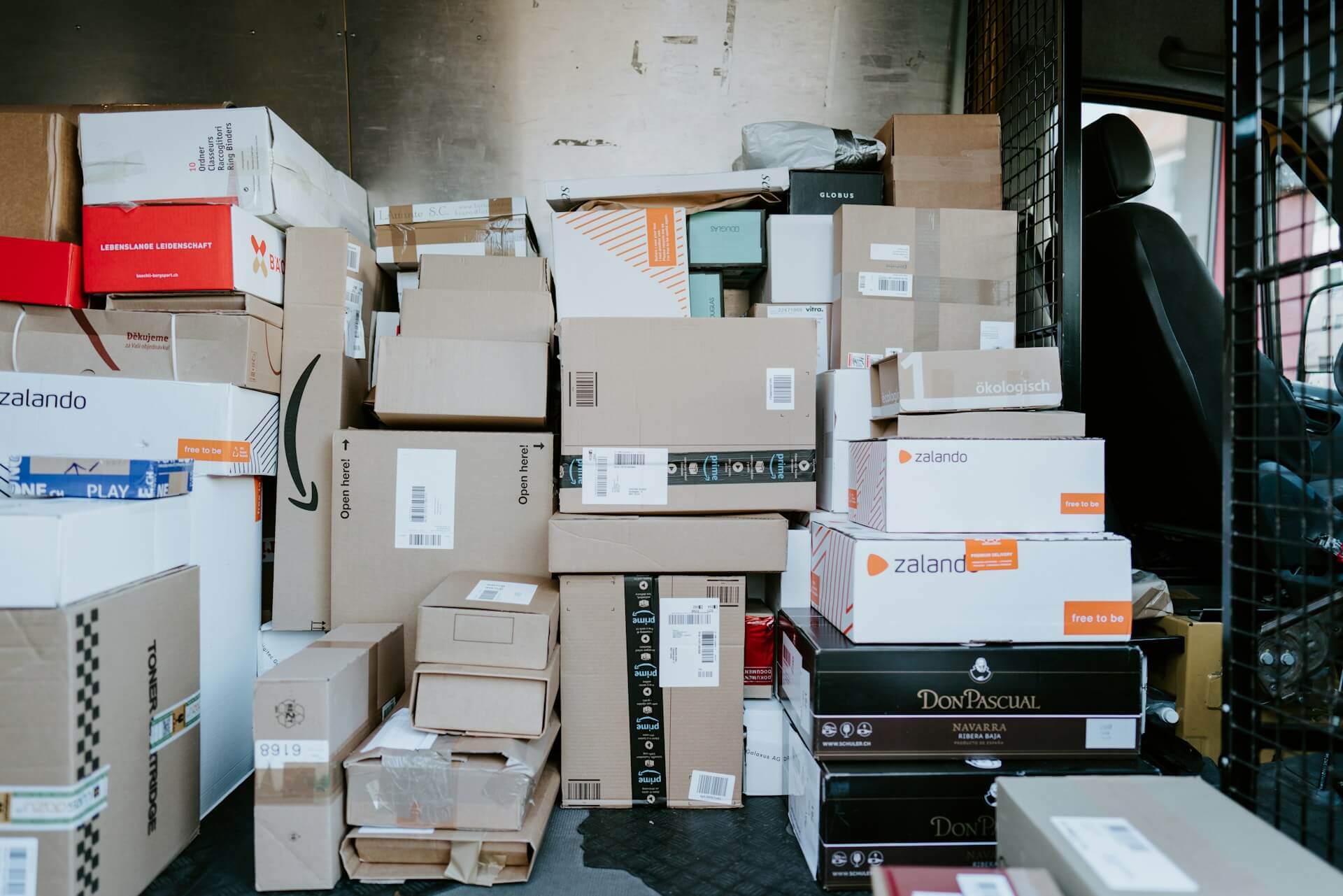
Amazon pallets for sale represent a growing frontier for entrepreneurs and small businesses aiming to acquire goods at deep discounts. By harnessing the vast flow of returns, liquidations, and overstocked inventory, savvy buyers can procure merchandise at a fraction of retail value. The evolution of Amazon's supply chain has produced an immense secondary market—valued at $846 billion in 2024 according to the Reverse Logistics Association—creating profitable opportunities for those who know how to navigate its unique complexities. However, maximizing returns requires more than luck; success relies on data-driven decisions, market insights, and a solid grasp of sourcing platforms, item conditions, pricing, compliance, and risk management.
This guide unpacks the process of finding, evaluating, purchasing, and profitably reselling Amazon pallets, with actionable strategies, market insights, and real-world case studies. By the end, you'll be equipped to build a thriving business in the lucrative world of Amazon pallet reselling.
Understanding Amazon Pallets: What They Are and Why They Matter
Types of Inventory in Pallets
Amazon pallets typically contain one or more of the following:
- Customer Returns: Items sent back by customers, which may be new, lightly used, or defective.
- Overstock: Excess inventory not sold during primary sales cycles.
- Liquidation Merchandise: Products quickly sold off by Amazon or third-party sellers for various logistical or financial reasons.
- Unclaimed Packages: Shipments never received by customers, now resold in bulk.
The Opportunity and Risks
The primary appeal of buying Amazon pallets is the opportunity to obtain goods at significantly reduced costs, potentially realizing high profit margins through reselling. However, risks abound—the contents are rarely guaranteed, and pallets may contain a mixture of high-value products, damaged goods, or even unsellable items. Carefully evaluating each purchase is critical to minimizing losses and optimizing your business model.
Sourcing Amazon Pallets for Sale: Main Channels and How They Work
Identifying reputable, profitable sources is the foundation of a successful pallet business. The most common channels include:
1. Amazon’s Direct Liquidation Programs
Amazon has developed dedicated programs to efficiently liquidate returned, overstock, and unclaimed items via bulk sales. Notable among these is the Amazon Bulk Liquidation Store, which often provides varied merchandise—including electronics, apparel, and home goods—at deeply discounted rates. Buyers benefit from transparent sourcing, direct procurement, and the relative security of Amazon’s support policies. However, selection can fluctuate with Amazon’s inventory cycles and regional demand.
2. Third-Party Liquidators and Auction Sites
Many independent companies and platforms facilitate the sale of Amazon pallets. Top names include:
A | B | C |
#1 | Liquidation.com | Marketplace for Amazon returns, shelf pulls, overstock, and salvage lots. Offers detailed manifest listings and transparent bidding. |
#2 | Direct Liquidation | Provides Amazon and other major retailer pallets. Features online auctions and custom lots tailored to business needs. |
#3 | BULQ | Sells consumer returns and overstock pallets sourced from Amazon, Walmart, Target, and more; known for clear manifests and grading. |
Each platform differs in auction style, lot selection, buyer protection, and shipping policies. Due diligence is vital—researching seller ratings, feedback, and manifest accuracy before bidding is non-negotiable.
3. Online Marketplaces: eBay and Facebook Marketplace
- eBay: Offers an extensive range of Amazon pallets from various sellers, featuring detailed listings, buyer ratings, and openly tracked sales history. Use targeted searches (e.g., "Amazon liquidation pallets") and filter by "sold listings" for current market trends.
- Facebook Marketplace: More informal, but enables local negotiation, inspection of pallets, and direct communication with sellers. Verification and caution are required to minimize scams or misrepresentations.
4. Local and Regional Liquidators
Often overlooked, local businesses specializing in liquidated merchandise can offer competitive deals and lower shipping costs. These relationships may provide consistent inventory flow and the ability to inspect pallets in person before purchase.
Evaluating Pallet Profitability: Key Metrics and Methodology
Buying Amazon pallets without assessment exposes you to avoidable loss. To maximize ROI, integrate the following evaluation framework:
1. Item Condition and Grading Systems
Liquidators and platforms use condition grading systems. These typically are:
- A-Grade: Like new, unopened, or factory-sealed items.
- B-Grade: Used but functional; minor wear possible.
- C-Grade: Damaged or significant cosmetic flaws; sometimes needs repair.
- Salvage: For parts or repair only; rarely profitable for standard resale.
Understanding and interpreting grading is foundational—request manifests and sample inspection whenever possible.
2. Product Type and Mix
Analyze the brand, category, and individual SKUs in each pallet:
- Electronics and branded goods often command premium resale values but require more capital and incur higher return rates.
- General merchandise, housewares, and apparel may offer steadier, lower-risk returns.
- Niche items (e.g., home décor, pet supplies) can enable quick turnover in targeted outlets.
A well-balanced spreadsheet (using Google Sheets or Excel) enables you to track SKU, description, brand, price history, and estimated resale value. Update after each purchase for accurate forecasting.
3. Quantity and Lot Size
Larger pallets can translate into better unit economics (lower average cost per item), but also increase sorting complexity, upfront capital outlay, and storage requirements. Assess your business’s fulfillment and space capacity before scaling.
4. Market Research Tools and Pricing Analysis
- Keepa and CamelCamelCamel: Monitor historical price swings, product trends, and demand spikes on Amazon.
- eBay Advanced Search: Filter by exact product, location, and "sold listings" for live adjustments in resale strategy.
- Google Shopping: Check cross-channel prices for competitive positioning.
Accurate research forms the linchpin of assessing potential profits and avoiding unanticipated losses.
Step-by-Step: Purchasing, Inspecting, and Managing Amazon Pallets
Step 1: Pre-Purchase Due Diligence
Before placing bids or making purchases:
- Research each seller and platform for verification and reviews.
- Scrutinize manifest accuracy, condition grades, and item photos.
- Check return policies. Trade-offs exist; Amazon’s own liquidation store offers more buyer security versus independent auctions, where risk is greater but prices may be lower.
Step 2: Winning an Auction or Direct Sale
- Register and verify your account on chosen platforms.
- Set maximum bids or fixed budgets to prevent emotional overbidding.
- Understand payment terms, shipping charges, and insurance policies before remitting funds.
Step 3: Shipping and Receiving
Transport logistics are crucial—a miscalculated freight cost can erase profits. Request shipping quotes upfront and factor in local delivery, unloading, and storage availability. When receiving the pallet, photograph every angle before unwrapping to document any shipping damages.
Step 4: Inspection and Sorting
- Cross-check received inventory against the manifest.
- Sort by item grade and resale potential. Isolate high-value, undamaged inventory for immediate listing; relegate salvageable or low-value goods for secondary outlets or donation.
- Log all discrepancies (missing or additional goods) for potential claims or feedback.
Step 5: Data-Driven Inventory Management
- Use spreadsheet tracking to monitor sell-through rates, margin per product, and identify underperforming SKUs.
- Regularly update cost inputs (shipping, handling, fees) to refine profitability calculations.
Maximizing Resale Profits: Pricing, Platforms, and Listings
Choosing the Right Reselling Platforms
Not all sales channels are equal; select outlets based on product, reach, and fee structure:
- eBay: Global reach, best for unique, refurbished, or branded products. Fees can range from 10-15% per sale, plus PayPal or payment processing charges.
- Amazon: Tap into a massive base of ready buyers. Prime eligibility boosts conversion rates but incurs FBA fees and strict performance standards.
- Facebook Marketplace: Ideal for local or bulky goods; fast cash flows, no platform fees, but less buyer protection.
- Specialty Platforms: Sites like Poshmark (fashion) or Depop (targeting Gen Z) are optimal for certain categories.
Investigate the alignment of each platform with your product mix and customer base, factoring in shipping, handling, and compliance requirements.
Listing Optimization: Photography, Description, and SEO
- Use high-resolution images, multiple angles, and clear photos of packaging and any damage.
- Write honest, detailed descriptions: include item condition, brand, specs, dimensions, and any cosmetic or functional issues.
- Perform keyword research: weave in terms like “Amazon return pallets for sale”, “Amazon liquidation pallets”, and the most relevant product descriptors. Avoid unnatural repetition or keyword stuffing.
- Update listings regularly based on performance analytics and market fluctuations.
Pricing and Shipping Strategies
- Market Comparison: Regularly review similar product listings using eBay’s sold data or Amazon’s Buy Box price history.
- Dynamic Pricing: Adjust in line with demand, seasonal fluctuations, and competitor activity.
- Shipping Costs: Offer a range of shipping options, including free shipping thresholds to encourage larger orders. Real-time carrier calculations can boost checkout conversion rates.
- Use shipping tools integrated with eCommerce platforms to streamline fulfillment, minimize error, and provide accurate delivery estimates.
Legal, IP, and Compliance Considerations
Navigating Amazon pallet resale is not just a business exercise; legal and regulatory risks abound.
Intellectual Property (IP) and Brand Restrictions
- Confirm that items are authentic and not infringing on trademarks or copyrights. Use resources like the USPTO database.
- Some brands restrict resale to authorized dealers or ban reselling in certain regions. Violating these can result in delisting, platform bans, or even litigation.
- Amazon’s Brand Registry tool and similar services assist with authenticity verification.
Product Safety Requirements and Recalls
- Adhere to relevant safety standards (e.g., Consumer Product Safety Commission - CPSC) before listing any consumer goods.
- Stay updated on recall notices. Reselling recalled or expired items can trigger heavy penalties and irreparably harm your brand.
Consumer Protection Laws & Return Policies
- Develop a clear return policy: Specify eligible conditions, timeframes (e.g., 30-day guarantee), and procedures for customers.
- Explicitly state your policy in every listing and provide contact information for disputes or support.
- Maintain diligent product documentation, including purchase receipts, photos, and correspondence, to substantiate authenticity and condition if challenged.
Real-World Successes and Lessons: Case Studies
Examining actual case studies brings together the theory and practice of Amazon pallet resale.
Case Study 1: Mastering a Niche with Data-Driven FBA
A small entrepreneurial team decided to focus on the overstock home goods niche. By leveraging Amazon FBA, they reduced personal logistics, instead focusing on market research using Jungle Scout to identify trending SKUs. They sourced pallets via Direct Liquidation, prioritized meticulous product condition checks, and invested in professional photography and keyword-optimized listings. The outcome: Consistent margins of 18-25% per pallet, rapid inventory turnover, and a robust positive customer review base. Key driver: Intelligent, data-informed niche selection and operational efficiency.
Case Study 2: Overcoming Sourcing and Competition Hurdles
Another reseller encountered persistent challenges sourcing reliable pallets and wrestling with subpar lot manifests. They refined their approach by targeting local liquidators, allowing hands-on inspection and relationship building. Employing Helium 10 to monitor market competition, they shifted product categories seasonally and optimized their presence on both eBay and Amazon. The strategy resulted in a sustainable, diversified small business capable of consistent cash flow through shifting market conditions.
Takeaway: Core Success Factors
- Diligent market and product research
- Professional, transparent listings
- Smart pricing and shipping tactics
- Continual adaptation using market insights and analytics
- Proactive compliance and customer experience management
Troubleshooting and Scaling: Common Challenges and Best Practices
Overcoming Sourcing Uncertainty
- Cultivate relationships with multiple liquidators to diversify inventory sources.
- Regularly inspect and compare manifests for accuracy.
- Attend industry summits or join online forums to expand your network and knowledge base.
Handling Logistics and Storage
- Optimize storage costs by mapping out local warehousing or fulfillment solutions.
- Implement digital inventory systems to minimize human error and reduce dead stock.
Continuous Learning and Scaling
- Track product performance to identify and double down on best-selling categories.
- Explore expansion into new selling platforms or regional markets.
- Reinvest profits into improved systems, technology, or inventory management.
Conclusion: Seize the Amazon Pallet Opportunity
Success in the world of Amazon pallet reselling hinges on rigorous research, strategic sourcing, and relentless optimization. Merchants who diligently select their suppliers, accurately assess pallet profitability, and rigorously comply with legal requirements position themselves to reap significant profits in this competitive, ever-evolving market. Now is the time to act: Begin by researching reliable liquidators, analyze your local and online selling landscape, and start small to learn, adapt, and grow. The secondary market is thriving—those who embrace its challenges with discipline and innovation are primed to transform discount pallets into lasting business success.


