
Amazon reviews serve as a critical compass for consumers, guiding purchasing decisions and influencing brand perception. However, the proliferation of fake Amazon reviews has become a significant concern, undermining consumer trust and distorting the true value of products. These deceptive reviews, often incentivized or artificially generated, can mislead shoppers into buying subpar products or overlooking genuine gems. This in-depth guide aims to equip you with the knowledge and strategies to identify, report, and navigate the complex world of Amazon reviews, ensuring you make informed and confident purchasing decisions. We will explore the tell-tale signs of fraudulent feedback, delve into the impact of fake reviews on consumer behavior, and introduce tools and techniques to help you become a discerning online shopper.
What are the Signs of Fake Amazon Reviews?
Identifying fake reviews requires a keen eye and an understanding of common patterns employed by those attempting to manipulate product ratings. While Amazon continuously works to combat this issue, sophisticated fake reviews can still slip through the cracks. Here are some key indicators to watch for:
Overly Enthusiastic or Vague Language
Fake reviews often exhibit extreme positivity, using an abundance of superlatives like "amazing," "perfect," "best ever," without providing specific details or constructive criticism. Conversely, some fake reviews might be intentionally vague, offering generic praise that could apply to almost any product. Genuine reviews typically include a balance of pros and cons, specific use cases, and personal experiences.
Suspicious Reviewer Behavior
Investigating the reviewer's profile can reveal red flags. Look for profiles that:
• Only post 5-star reviews: A reviewer with a history of exclusively giving perfect ratings, especially across a diverse range of unrelated products, might be suspicious.
• Review many products in a short period: A sudden burst of reviews from a single account, particularly for products from the same brand or seller, can indicate coordinated activity.
• Lack a "Verified Purchase" badge: While not all legitimate reviews have this badge (e.g., gifts), its consistent absence, especially for highly positive reviews, warrants caution.
Timing and Volume Anomalies
Fraudulent review campaigns often result in unusual patterns in a product's review history:
• Sudden Influx of Reviews: A product that suddenly receives a large number of 5-star reviews within a very short timeframe, especially soon after launch or a promotional period, is a common sign of manipulation.
• Reviews Posted at Similar Times: Multiple reviews appearing within minutes or hours of each other, often with similar phrasing, can suggest a coordinated effort.
Repetitive Phrases and Grammatical Errors
Fake reviews, particularly those generated by bots or non-native speakers, may contain:
• Identical or Similar Phrasing: Copy-pasted sentences or slight variations of the same text appearing across multiple reviews.
• Poor Grammar and Spelling: While genuine reviews can also have errors, a consistent pattern of awkward phrasing, grammatical mistakes, or unnatural language across several reviews can be a warning sign.
How to Analyze Amazon Product Reviews Effectively
Beyond just looking for red flags, a systematic approach to analyzing reviews can significantly improve your ability to discern authenticity and extract valuable insights:
• Read the "Middle" Reviews: Often, the most honest and informative reviews are those rated 2, 3, or 4 stars. These reviews tend to offer a balanced perspective, highlighting both strengths and weaknesses that can help you make a decision.
• Filter by "Most Recent" and "Verified Purchase": Prioritize recent reviews to ensure the feedback is relevant to the current product version. Filtering by "Verified Purchase" helps confirm that the reviewer actually bought the product from Amazon.
• Look for Specificity and Detail: Genuine reviews often include detailed descriptions of product features, performance, durability, and how the product solved a specific problem or met a particular need. They might mention dimensions, materials, or comparisons to other products.
• Cross-Reference with Product Q&A and Seller Responses: The Q&A section can provide additional insights and clarify ambiguities. Seller responses to reviews can also indicate their attentiveness and customer service quality.
• Consider the Reviewer's History: As mentioned, a quick glance at a reviewer's other contributions can reveal patterns. Do they review a wide variety of products, or only items from a specific niche or brand? Do their reviews seem genuine and varied in tone?
How Do Fake Reviews Affect Buying Decisions?
The presence of fake reviews has a profound and detrimental impact on consumer trust and purchasing behavior. Statistics highlight the scale of this problem:
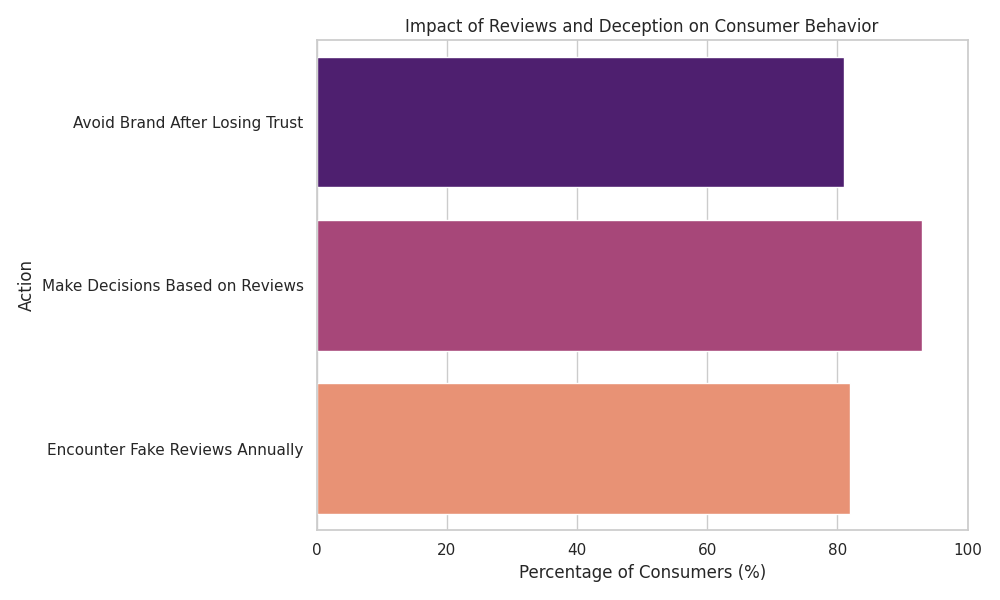
• Prevalence: An estimated 30% of all online reviews are fake in 2025, with a staggering 82% of consumers encountering them annually. This means that nearly one in three reviews you read online might be fabricated.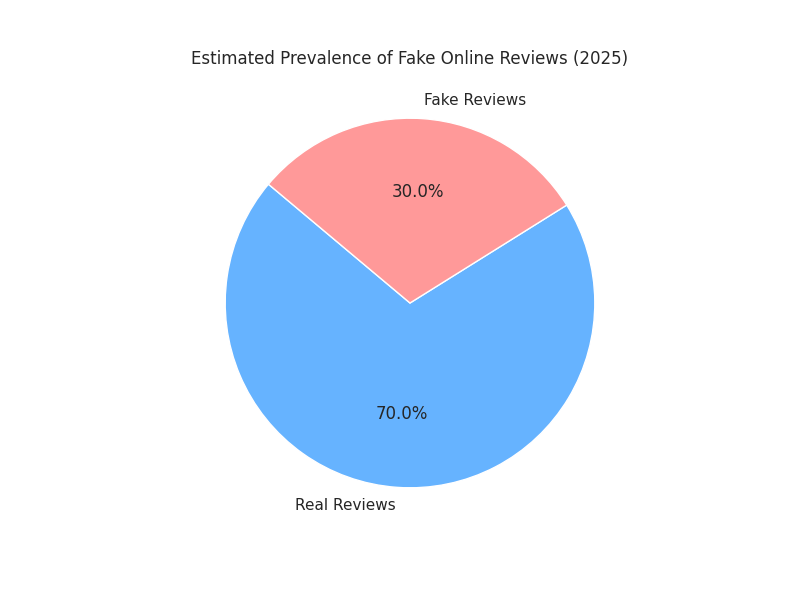
• Erosion of Trust: While 93% of consumers make buying decisions based on online reviews, 81% would avoid using a brand again after losing trust due to fake reviews. This indicates that the long-term damage to brand reputation far outweighs any short-term gains from review manipulation.
• Misleading Purchases: Fake reviews can lead consumers to purchase products that do not meet their expectations, resulting in dissatisfaction, returns, and a wasted investment of time and money. This not only harms the consumer but also legitimate businesses that are unfairly outcompeted.
• Impact on Brand Credibility: When consumers discover they have been misled by fake reviews, their trust in the platform (like Amazon) and the brands selling on it diminishes. This erosion of credibility can have far-reaching consequences for the entire e-commerce ecosystem.
Can Fake Amazon Reviews Be Removed? How to Report Fake Amazon Reviews?
Yes, Amazon actively works to detect and remove fake reviews, and consumers play a crucial role in this effort. Amazon employs a combination of machine learning algorithms and human investigators to identify and take down fraudulent feedback. If you encounter a review you suspect is fake, you can report it through several channels:
• "Report Abuse" Link: The most direct method is to use the "Report abuse" link located under each review on the Amazon product page. Clicking this link will prompt you to select a reason for reporting the review (e.g., "Promotional content," "Offensive content," "Other").
• Email to Community-Help: For more detailed reports or if you wish to provide additional context, you can email Amazon's community-help team at community-help@amazon.com. Be sure to include the product ASIN, the review URL, and a clear explanation of why you believe the review is fake.
• Seller Central (for Sellers): Amazon sellers can report suspicious reviews directly through their Seller Central account, typically under the "Customer Reviews" section. This is particularly useful for sellers who suspect competitor manipulation or targeted attacks.
Amazon states that it removes millions of fake reviews annually and takes legal action against bad actors who attempt to manipulate their review system. Your reports contribute significantly to maintaining the integrity of the platform.
Tools to Spot Fake Amazon Reviews
While manual inspection is effective, several third-party tools can assist in identifying suspicious review patterns at scale:
• Fakespot: This popular browser extension and website analyzes Amazon product pages and provides a "grade" for the authenticity of reviews. It uses AI to detect patterns indicative of fake reviews, such as suspicious phrasing, reviewer history, and review velocity.
• ReviewMeta: Similar to Fakespot, ReviewMeta scrutinizes Amazon reviews for various red flags and then generates an "adjusted" rating for the product, excluding reviews it deems unreliable. It offers detailed reports on its findings.
• The Review Analyzer (e.g., VOC Insight): Tools like VOC Insight leverage advanced semantic analysis and AI to process large volumes of reviews. While primarily designed for sellers to understand customer feedback, their ability to identify key aspects, sentiment, and anomalies in review data can also be invaluable for consumers looking for deeper insights into review authenticity and patterns [4].
Conclusion
Navigating the world of online reviews requires vigilance and critical thinking. Fake Amazon reviews pose a significant threat to consumer trust and informed purchasing decisions. By understanding the common signs of fraudulent feedback, employing effective review analysis strategies, and utilizing available tools, you can empower yourself to distinguish genuine insights from deceptive tactics. Your active participation in reporting suspicious reviews also contributes to a healthier and more trustworthy online marketplace for everyone. Stay informed, stay skeptical, and shop smarter.


