🧠 Knowledge Management: Leveraging Organizational Knowledge for Success
In today's fast-paced business world, knowledge is power. Organizations that can effectively capture, retain, and utilize their knowledge have a significant advantage over their competitors. This is where knowledge management comes in. In this article, we will explore what knowledge management is, why it is important, and how organizations can implement a successful knowledge management program.
📝 Table of Contents
- What is Knowledge Management?
- Knowledge Management vs. Information Management
- The Importance of Knowledge Management
- The Knowledge Owners and Seekers
- Tacit Knowledge vs. Explicit Knowledge
- Knowledge Quality and Hoarding
- Challenging Issues with Knowledge Management
- Knowledge Management Strategy
- Implementation of Knowledge Management
- Creating a Knowledge Culture
- Conclusion
What is Knowledge Management?
Knowledge management is a formal and active function of an organization to retain, use, and build on knowledge to meet an organization's needs and differentiate itself from competitors. It is a methodology that encompasses many tools and components to ensure that an organization is optimizing and utilizing the knowledge it creates every single day.
Knowledge Management vs. Information Management
Knowledge management is often confused with information management, but they are two separate practices. Information management is the efficient handling of information and resources within a commercial organization. On the other hand, knowledge management is about leveraging organizational knowledge for the best use for your organization to be a class A organization.
The Importance of Knowledge Management
Organizations that can effectively capture, retain, and utilize their knowledge have a significant advantage over their competitors. Knowledge management helps organizations to move forward in difficult situations with complex problems. It also helps to ensure that individual employees are obtaining the knowledge to complete their jobs and to do so with the best knowledge possible.
The Knowledge Owners and Seekers
There are two specific areas where knowledge is captured and owned: tacit knowledge and explicit knowledge. Tacit knowledge or implicit knowledge is owned by the individual, often thought of as subject matter experts. These are what we call the knowledge owners. On the other hand, explicit knowledge is codified knowledge that can be looked at, such as a video, audio material, email, or document. These are what we call the knowledge seekers.
Tacit Knowledge vs. Explicit Knowledge
Tacit knowledge or implicit knowledge is something that's very hard to codify. You can't just write it down. It's done over time, through an apprenticeship, or other ways of getting to an implicit knowledge. Explicit knowledge, on the other hand, is something that can be looked at and understood. It's something that can be shared and promoted.
Knowledge Quality and Hoarding
Knowledge quality is critical. It's about making sure that the seeker is getting the right information and the best quality knowledge to move forward. Knowledge hoarding is a significant problem in many organizations. It's when people have knowledge but don't share it. This is a problem because ultimately, all customers deserve the best knowledge possible.
Challenging Issues with Knowledge Management
There are several challenging issues with knowledge management. For example, knowledge cannot be found quickly or rapidly. Loss of capability comes with not retaining your knowledge, not understanding the knowledge, or not knowing where it exists. People leave organizations, and people who are subject matter experts may not be replaced with someone who has the same set of experiences.
Knowledge Management Strategy
To implement a successful knowledge management program, you need to have a strategy. This strategy should be a formal and active function of an organization to retain, use, and build on knowledge to meet an organization's needs and differentiate itself from competitors. It should be approved and supported by the executive management team and have a written plan.
Implementation of Knowledge Management
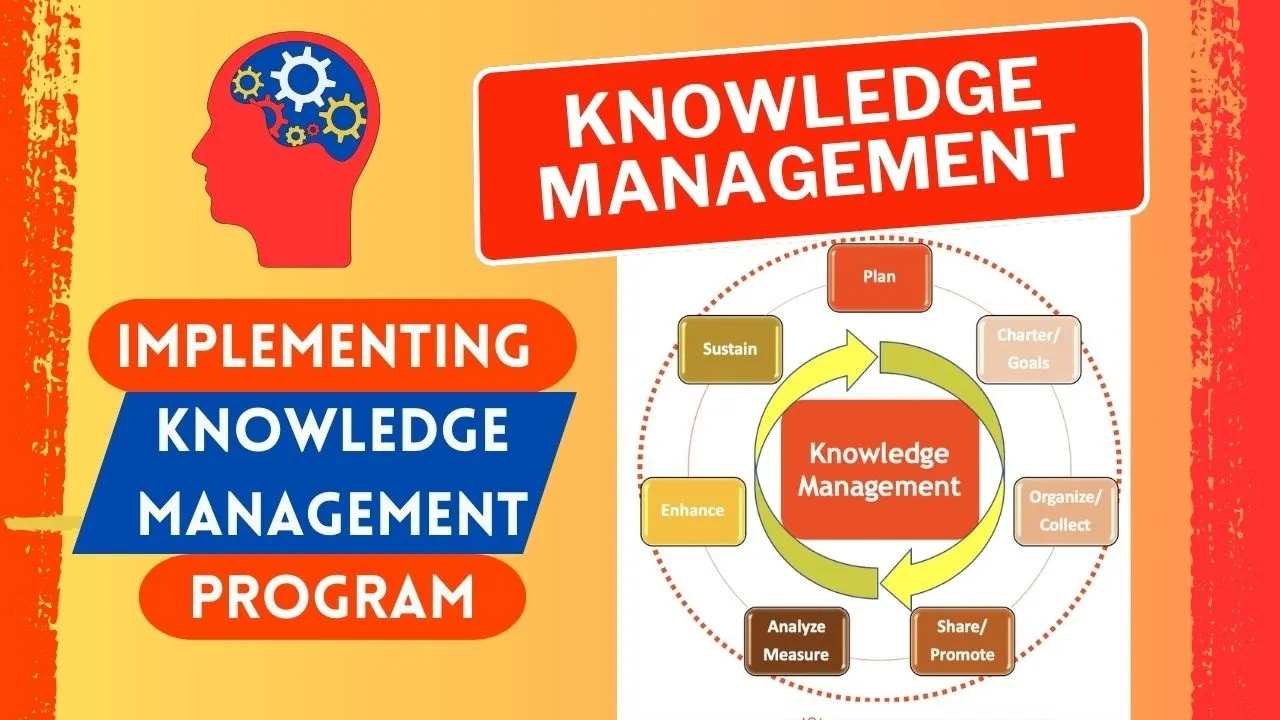
To implement a successful knowledge management program, you need to organize and collect the knowledge, making sure it's findable. You also need to share and promote the knowledge, analyze and measure the results of your knowledge management plan, and make sure that you're making traction. You can enhance this over time because you cannot do everything at one time.
Creating a Knowledge Culture
Creating a knowledge culture is essential. It's about freely sharing knowledge and information, making it very accessible, and ingraining it in what someone does and how they do what they're doing. It's about making sure that it's as promotional as possible, findable as possible, and accessible as possible.
Conclusion
In conclusion, knowledge management is a formal and active function of an organization to retain, use, and build on knowledge to meet an organization's needs and differentiate itself from competitors. It's about leveraging organizational knowledge for the best use for your organization to be a class A organization. By implementing a successful knowledge management program, organizations can effectively capture, retain, and utilize their knowledge, giving them a significant advantage over their competitors.
🌟 Highlights
- Knowledge management is about leveraging organizational knowledge for the best use for your organization to be a class A organization.
- Tacit knowledge or implicit knowledge is owned by the individual, often thought of as subject matter experts.
- Explicit knowledge is codified knowledge that can be looked at, such as a video, audio material, email, or document.
- Knowledge quality is critical. It's about making sure that the seeker is getting the right information and the best quality knowledge to move forward.
- Creating a knowledge culture is essential. It's about freely sharing knowledge and information, making it very accessible, and ingraining it in what someone does and how they do what they're doing.
🤔 FAQ
Q: What is knowledge management?
A: Knowledge management is a formal and active function of an organization to retain, use, and build on knowledge to meet an organization's needs and differentiate itself from competitors.
Q: What is the difference between knowledge management and information management?
A: Information management is the efficient handling of information and resources within a commercial organization. Knowledge management is about leveraging organizational knowledge for the best use for your organization to be a class A organization.
Q: What is tacit knowledge?
A: Tacit knowledge or implicit knowledge is owned by the individual, often thought of as subject matter experts.
Q: What is explicit knowledge?
A: Explicit knowledge is codified knowledge that can be looked at, such as a video, audio material, email, or document.
Q: Why is knowledge quality important?
A: Knowledge quality is critical. It's about making sure that the seeker is getting the right information and the best quality knowledge to move forward.
Resources:
- https://www.voc.ai/product/ai-chatbot


